


What makes slot machines so addictive?
2026-09-06
The Psychological Appeal of Slot Machines
One of the primary reasons behind the addictive nature of slot machines is their significant psychological appeal. Players often experience a rush of excitement and anticipation as they pull the lever or press the button, hoping for a big win, especially when they play online pokies australia real money that offer enticing rewards. This anticipation is similar to what one might feel when waiting for a critical event, triggering a release of dopamine in the brain—often referred to as the «feel-good» neurotransmitter. The cycle of anticipation followed by the outcome creates a strong emotional response that can lead to repeated play.
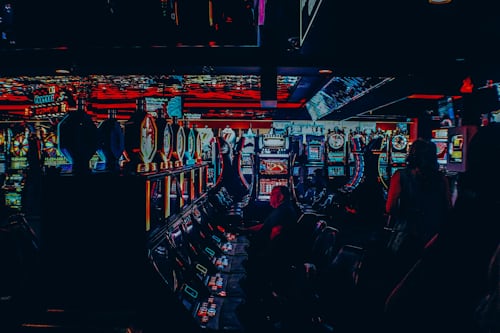
Moreover, slot machines are designed to be visually stimulating. Bright colors, flashing lights, and captivating sound effects are all employed to draw players in and keep them engaged. This sensory overload not only captures the attention of players but also reinforces the excitement of playing. The experience can be highly immersive, allowing individuals to lose track of time and space, further contributing to their addictive behavior.
Additionally, the use of near-miss scenarios, where players almost hit a winning combination, can keep them coming back for more. Research suggests that these near misses can trigger the same dopamine release linked to actual wins. Players are often left with a lingering sense of what could have been, which prompts them to continue playing in hopes of achieving that elusive win. This cycle creates a compelling loop that can be incredibly hard to break.
The Role of Randomness and Chance
Slot machines are fundamentally based on the element of chance, which plays a crucial role in their addiction. The randomness of each spin creates an unpredictable experience, making players feel they might hit a jackpot at any moment. This uncertainty adds an exhilarating dimension to the game, with players often feeling like they are on the verge of a significant win. This hope and belief in the possibility of winning can drive individuals to play longer than they initially intended.
This randomness is further enhanced by the use of Random Number Generators (RNGs) within slot machines, which ensure that each spin is independent and completely random. Players may not understand the intricate mechanics behind RNGs, leading them to believe that their intuition can influence the outcome. This false sense of control is enticing and leads to continued investment in the game, fueling addiction.
Moreover, the unpredictability of rewards reinforces a behaviorist principle known as variable ratio reinforcement, where rewards are given at irregular intervals. This type of reinforcement is known to produce high rates of response, and it is the core mechanism behind many gambling behaviors. As players continue to gamble, hoping for that next big win, they become entrapped in a cycle of repeated play that can be difficult to escape.
The Social Environment of Gambling
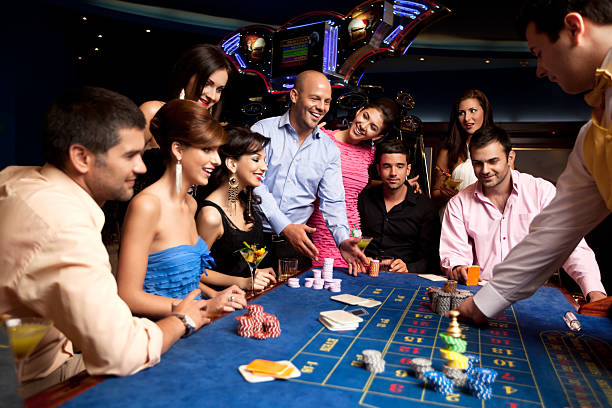
The social context of gambling also significantly contributes to the addictive nature of slot machines. Many individuals enjoy the communal atmosphere of casinos, where they can share their experiences with fellow players. This social interaction can enhance the overall enjoyment of the game, making players more likely to return. Engaging with others, whether through conversation or shared excitement over a big win, can create an environment that fosters repeated gambling behavior.
Furthermore, the presence of other players can spur a sense of competition. Observing others win can ignite a desire to participate and potentially win oneself. This competition can lead players to gamble more than planned, as they are drawn into the excitement of the group dynamic. The environment of a casino, with its lively atmosphere and social interactions, serves to amplify the addictive qualities of slot machines.
Additionally, online platforms have added another layer to this social aspect. Many online casinos offer chat features and leaderboards, allowing players to connect with others, share experiences, and compete for high scores. This digital community can lead to a sense of belonging, making players more inclined to continue engaging with the game and, subsequently, increasing the likelihood of developing an addiction.
The Marketing Strategies Behind Slot Machines
Marketing strategies play an influential role in making slot machines addictive. Casinos and gaming companies invest heavily in enticing designs and promotions that lure players in. By creating visually appealing machines adorned with popular themes or characters, these companies attract potential players and keep them engaged. The use of bonuses, free spins, and loyalty rewards serves to entice players further, providing a compelling reason to return to the machines.
Moreover, targeted advertising aimed at specific demographics can enhance the allure of slot machines. By understanding the preferences and behaviors of their audience, marketers craft messages that resonate with potential players. This can create a sense of urgency or exclusivity, prompting individuals to try their luck at the machines. Advertisements that highlight the excitement and lifestyle associated with gambling can contribute to a culture that normalizes and encourages frequent play.
Finally, many casinos create flashy environments filled with slot machines, making them the focal point of their establishments. The strategic placement of these machines near entrances or popular amenities increases visibility, encouraging foot traffic and impulse play. The combination of attractive design, effective marketing, and enticing promotions creates a perfect storm for addiction, making it easy for players to lose track of their spending and time.
Understanding the Impact of Slot Machine Addiction
Understanding the implications of slot machine addiction is crucial for addressing the issue effectively. This form of gambling addiction can lead to significant financial, emotional, and social consequences. Many individuals find themselves trapped in a cycle of gambling that negatively affects their lives and relationships. It is essential to recognize the signs of addiction early on to seek help and support.
Many resources are available for those struggling with gambling addiction, including counseling and support groups. These organizations provide a safe space for individuals to share their experiences and learn coping strategies. Recognizing that one is not alone in their struggles can be a powerful motivator for seeking help. Furthermore, awareness campaigns aimed at educating the public about the risks of gambling can contribute to prevention efforts.
Ultimately, addressing the addictive nature of slot machines requires a holistic approach that involves not only individual awareness but also cultural and legislative changes. By implementing responsible gambling regulations, creating support systems, and ensuring public awareness, society can work towards mitigating the impacts of gambling addiction. The conversation surrounding gambling addiction continues to evolve, emphasizing the importance of understanding the complex dynamics at play.